Royals
The British Royal Family’s Line of Succession Is a Bit Complex: Check Out a Complete Guide

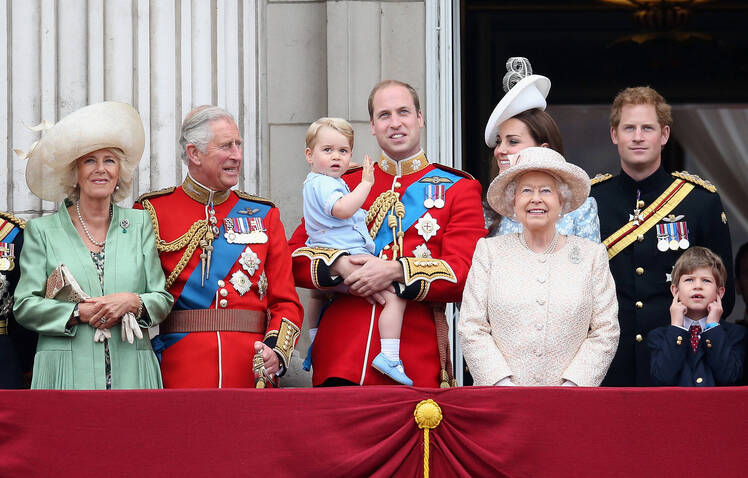
The British royal family‘s line of succession spans several generations. The birth of royal babies frequently changes the line of succession. The late Queen Elizabeth took over the throne back in 1952 and was the longest-living and longest-reigning king or queen in British history.
Queen Elizabeth and her lineage weren’t originally supposed to ascend to the throne so easily. In 1936, her father, King George VI, took over the crown when his older brother, King Edward VIII, abdicated. In the present, that would be like Prince Harry and his family becoming next in the line of succession if his elder sibling, Prince William, decided to no longer be king. When King George VI took over the job, then Princess Elizabeth became the heir presumptive — and the rest is history.
Scroll below to see the current line of succession to the British throne.