Entertainment
14 Comedians From the ’90s Who Had a Lot to Say

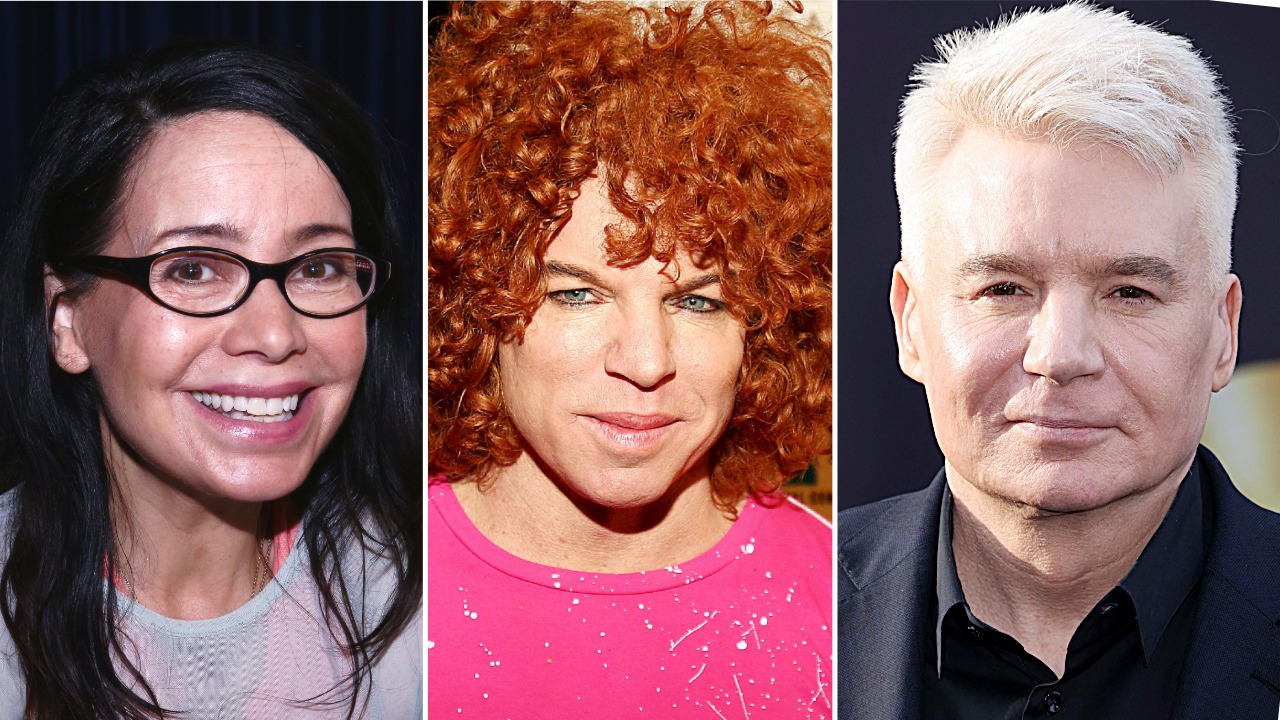
The 90s stand-up comedy landscape was charged with voices that not only made us laugh, but fundamentally changed television and pop culture. These comedians weren’t just cracking jokes; they were pushing boundaries, challenging societal norms, and creating unforgettable characters on beloved sitcoms and sketch shows. From groundbreaking stints on Saturday Night Live to starring roles in hit sitcoms, these comics defined a generation with their wit, edge, and authenticity. Here’s a look at 14 unforgettable comedians from the 90s who had something important to say — on stage, on screen, and in the hearts of comedy fans.
Kathy Griffin
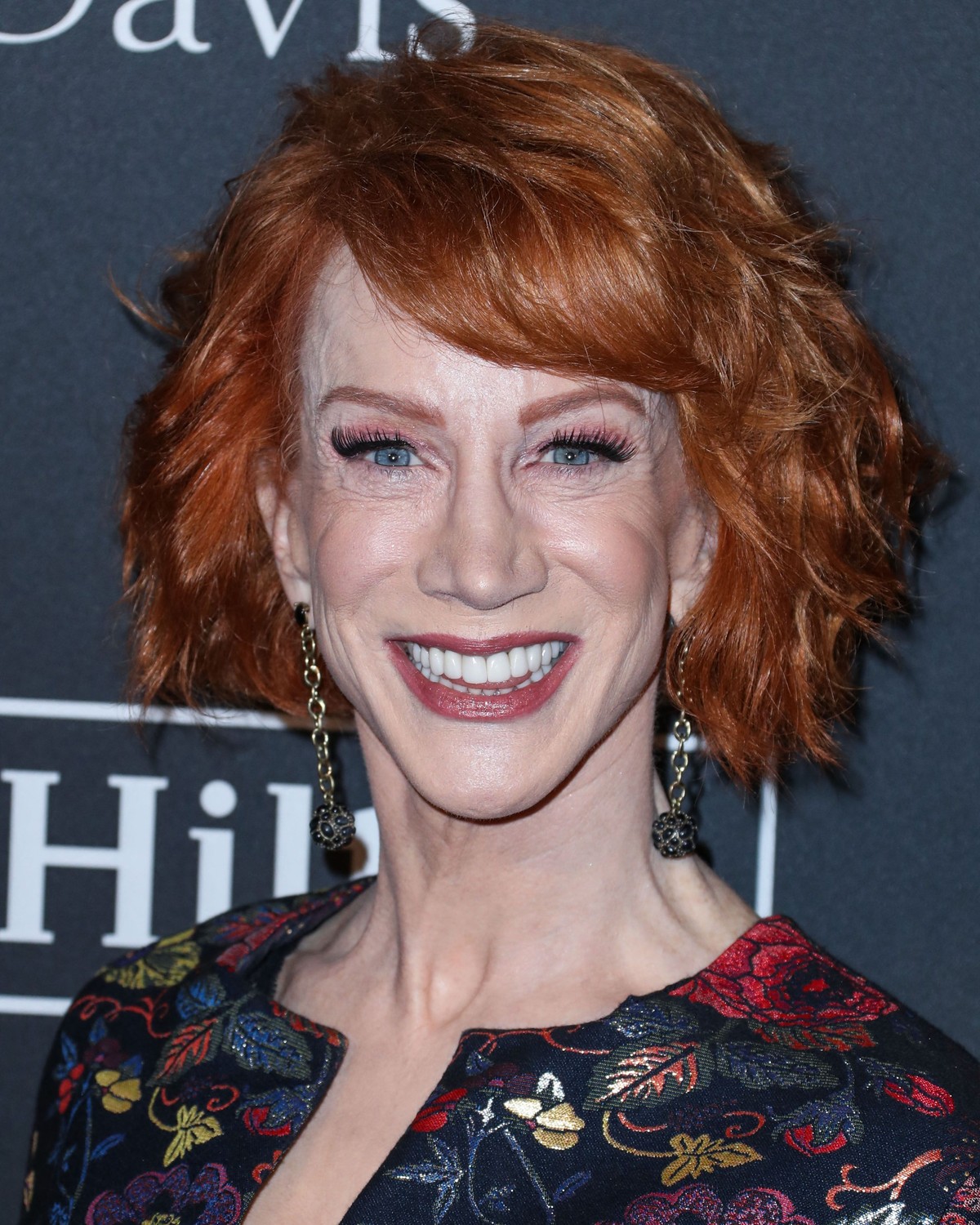
Known for her sharp tongue and boldly irreverent humor, Kathy Griffin broke out in the ’90s with memorable stage appearances and supporting roles on television, later cementing her legacy through reality TV. Her willingness to skewer the celebrity elite and tackle taboo topics made her a standout during this era, earning her a loyal fanbase and some serious notoriety. She began her career with the well-known improv group The Groundlings, then moved into stand-up comedy in the 1990s. Although she made a name for herself in stand-up, many people also recognize her from TV, where she appeared in sitcoms like Suddenly Susan and Caroline in the City. Later, she starred in her own Bravo reality show, Kathy Griffin: My Life on the D-List.
Dana Carvey
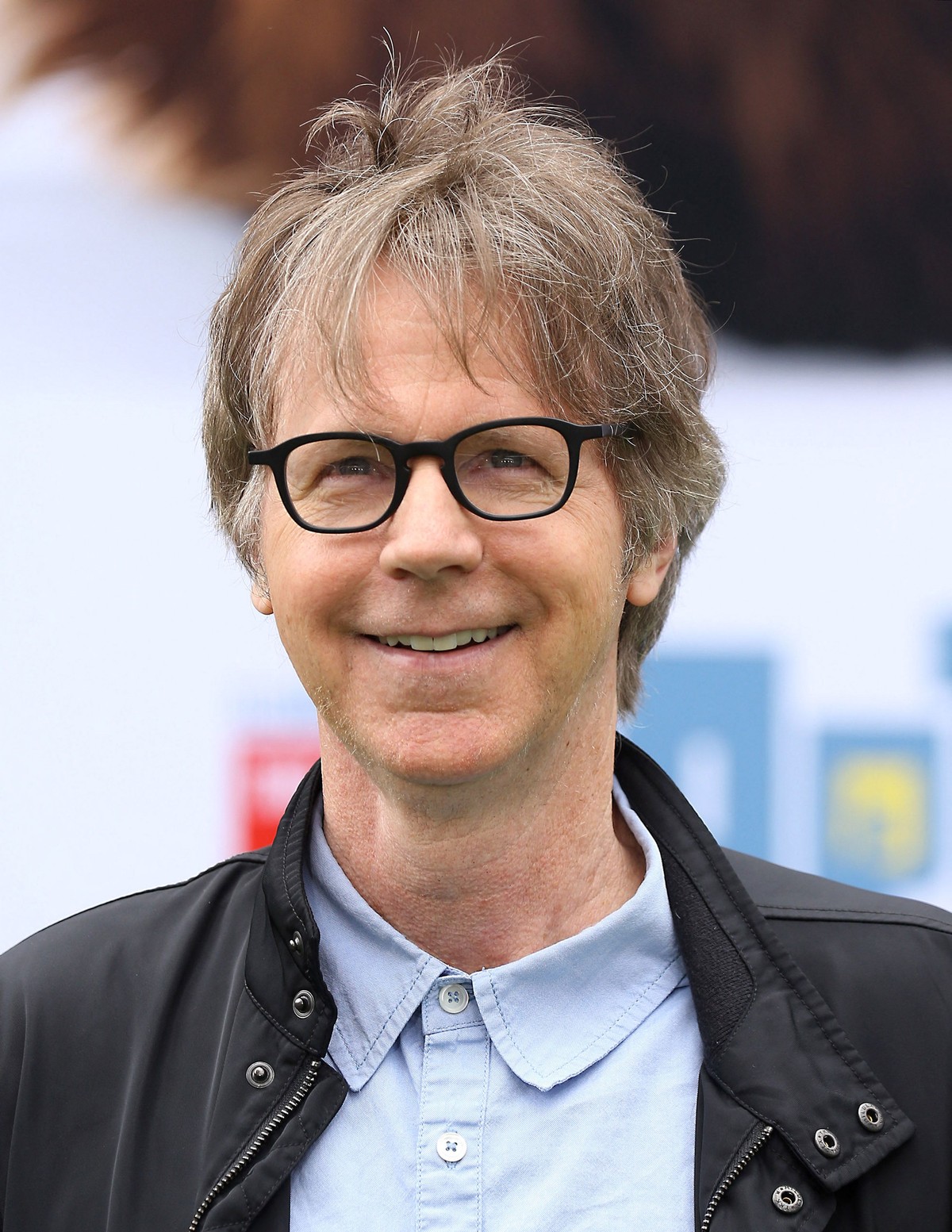
Renowned for his unforgettable impressions and quirky characters on SNL, Dana Carvey became an indelible part of ’90s comedy royalty. Carvey was a regular cast member from 1986 to 1993. Many fans see this period as one of the best in the history of the long-running sketch comedy series. The Wayne’s World film was a critical and commercial success, grossing over $183 million in its theatrical run and becoming the highest-grossing film based on SNL skits, as reported by The Hollywood Reporter. His influence extended far beyond the SNL stage, where he helped pioneer the genre during a golden age of TV satire.
Martin Lawrence
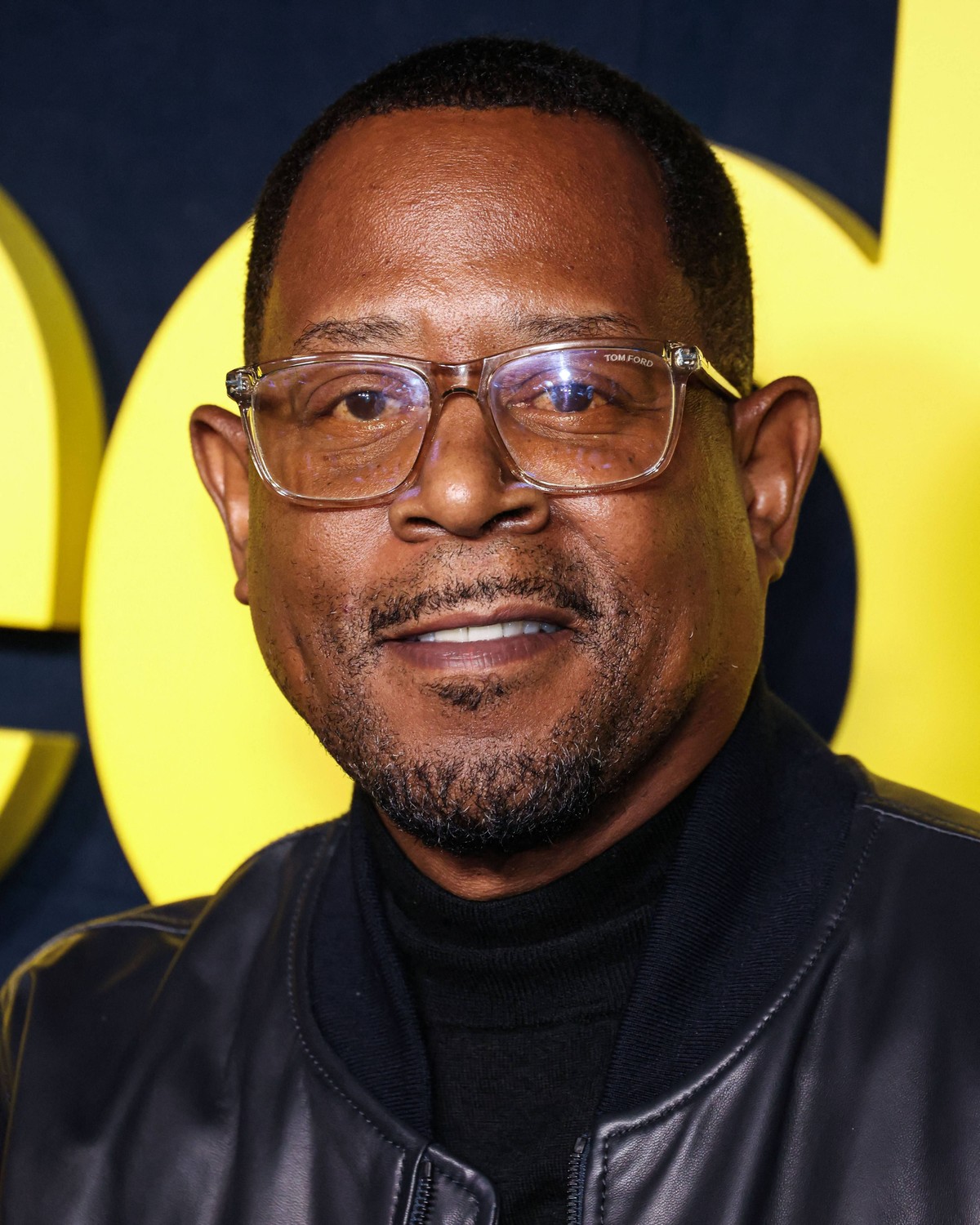
Martin Lawrence defined ’90s comedy through his hilarious and boundary-breaking sitcom Martin, as well as his dynamic stand-up specials. The show aired for five seasons on Fox beginning in 1992. Lawrence showed that stand-up could seamlessly transition to acting, remaining an influential force in both comedy clubs and television studios
Margaret Cho
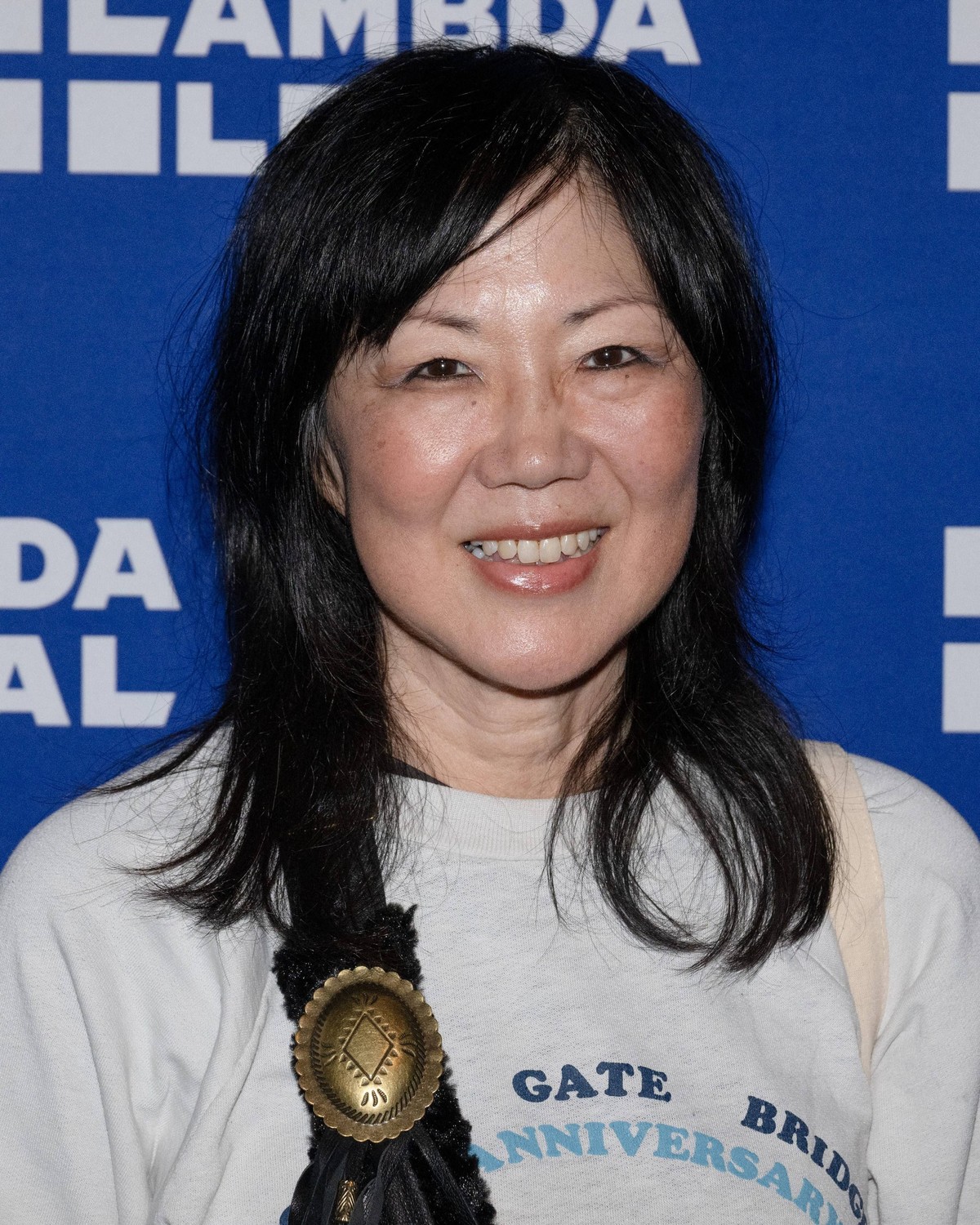
Margaret Cho‘s trailblazing comedy in the ’90s brought Asian American stories and LGBTQ perspectives to the stage, most notably in her groundbreaking sitcom All-American Girl. It was the first network sitcom to feature a mostly Asian American cast, marking an important milestone and offering cautious hope to a group often left out of mainstream media, as reported by Character Media. Her work in the ’90s helped expand the boundaries of what stand-up and television comedy could discuss.
Mike Myers
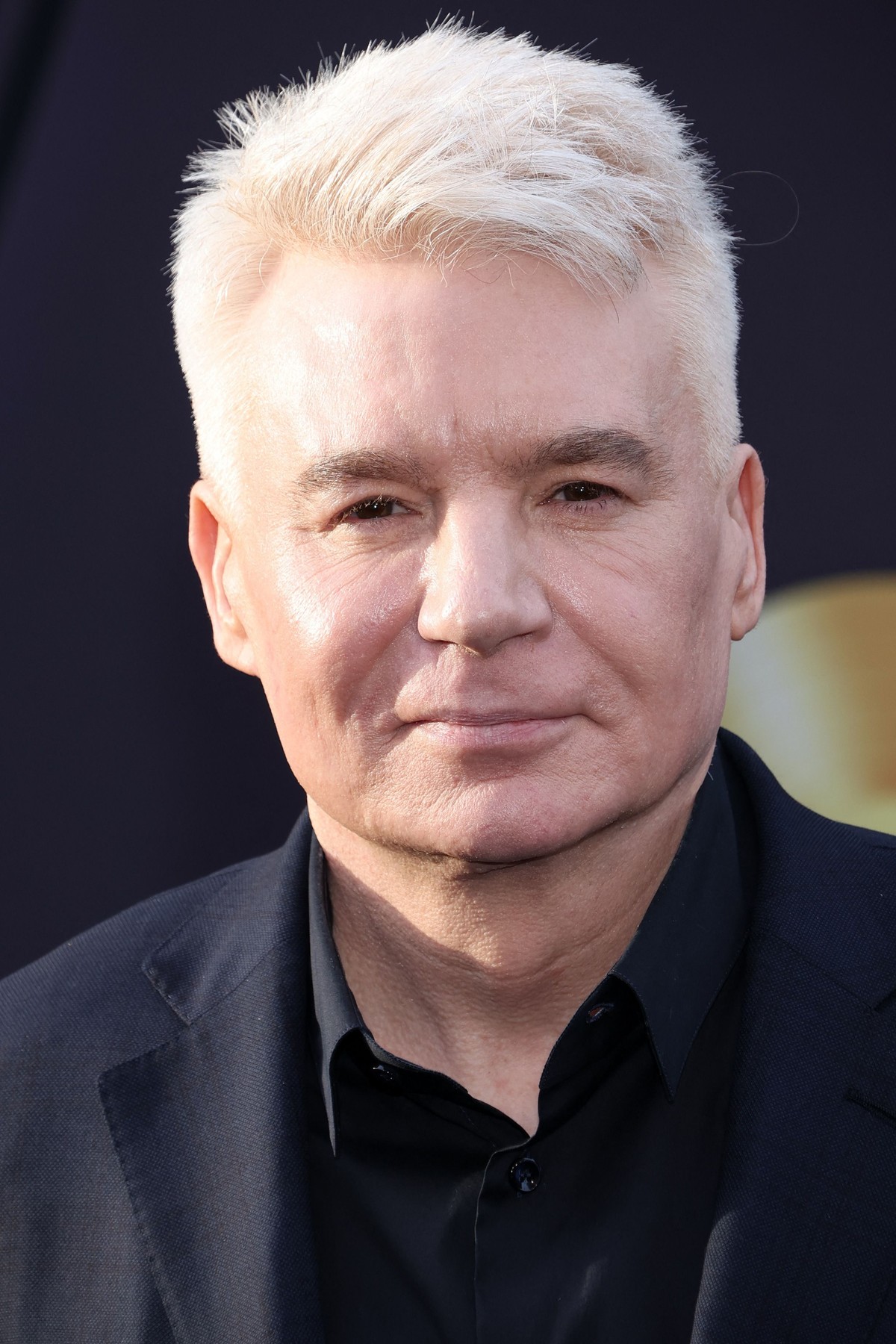
As a cast member on SNL, Mike Myers created characters that instantly became cultural touchstones, from Wayne Campbell to Dieter. Wayne’s World hit theaters in 1992 and quickly became a huge box office hit, which turned into an instant pop-culture phenomenon. Phrases like “Party on! Shwing! Not! Sh’yeah!” and, of course, “We’re not worthy!” soon became part of everyday conversation, according to The Hollywood Reporter. The movie would become an instant pop-culture staple, paving the way for his next cult classic, Austin Powers. Myers’ ability to turn quirky comedic ideas into mainstream hits helped define the decade’s comedic output.
Dennis Miller
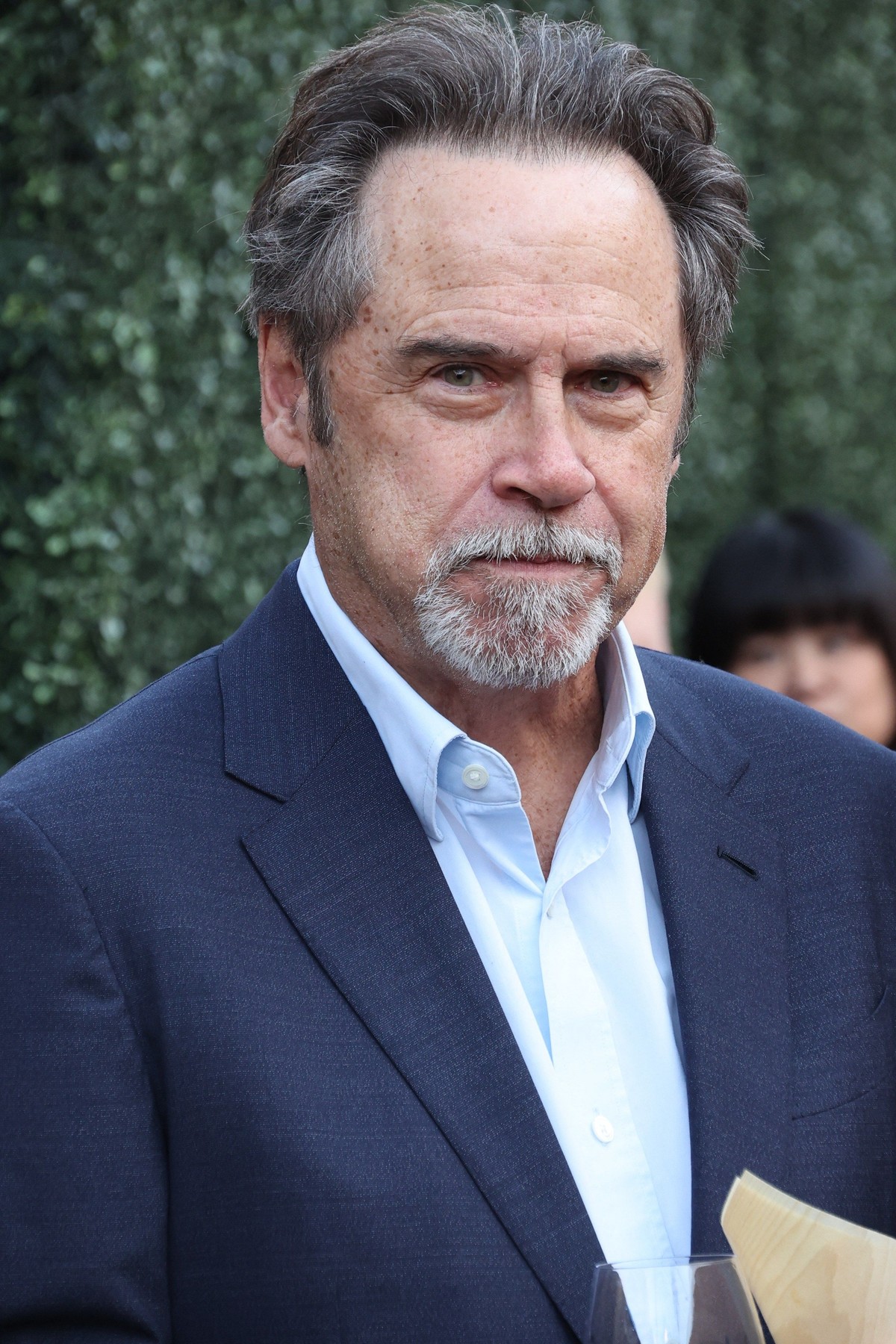
Dennis Miller brought sharp political commentary and literary wit to SNL‘s “Weekend Update,” making sardonic, reference-laden news jokes cool for comedy fans. Miller hosted “Weekend Update” from 1985 to 1991. After leaving SNL, he launched his own show, The Dennis Miller Show, in 1992, though it ran only briefly. Miller’s work in the decade marked him as an intellectual humorist unafraid to ruffle feathers.
Rob Schneider
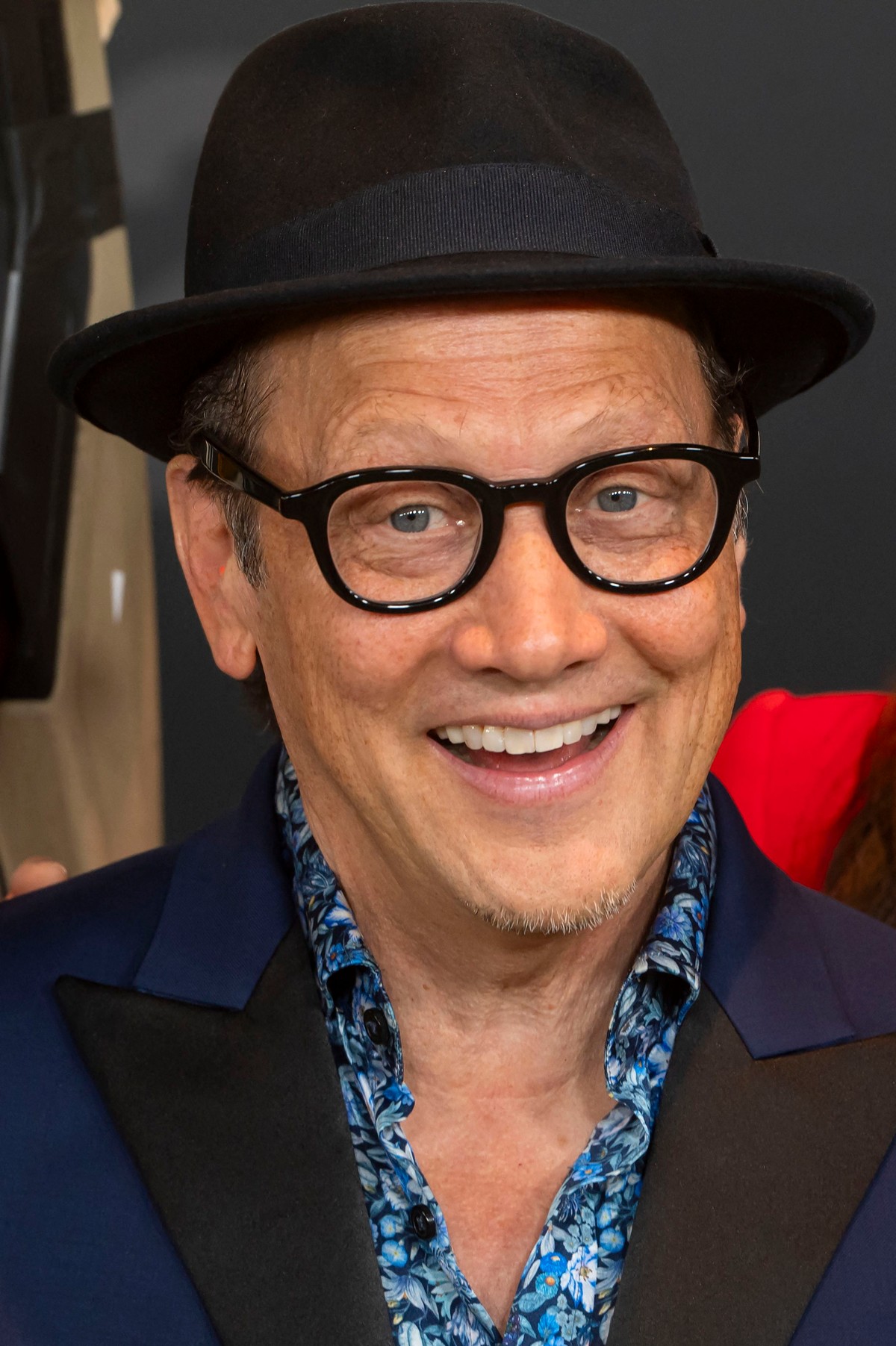
Rob Schneider‘s offbeat humor and knack for physical comedy landed him memorable SNL character bits and roles in hit films. He was a well-known cast member from 1990 to 1994, during which he earned three Primetime Emmy nominations. Schneider’s playful take on absurdity was a standout contribution to sketch and slapstick comedy.
Carrot Top
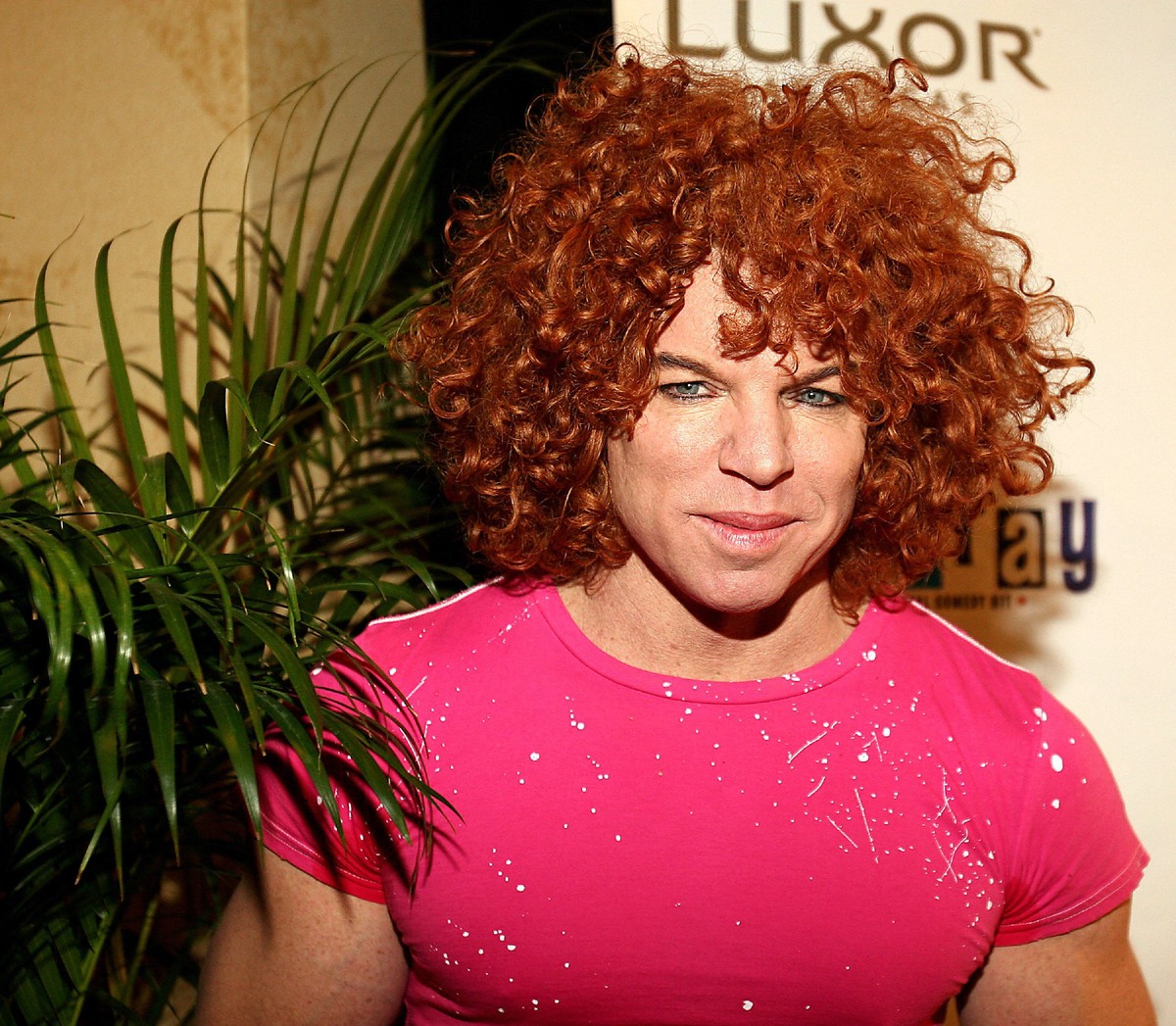
With his unmistakable red hair and arsenal of props, Carrot Top became one of the most visually memorable stand-ups of the ’90s. Carrot Top first made a name for himself on the comedy club circuit in the late 1980s, gradually building a following with his distinctive prop comedy. His career took off in the 1990s, and by the end of the decade he was one of the highest-earning touring comedians in the country, per Bonkerz Comedy Productions. His fame reached a new level through a series of 1-800-CALL-ATT commercials in the late 1990s, helping turn him into a familiar face even among people who didn’t regularly follow stand-up comedy.
Tom Green
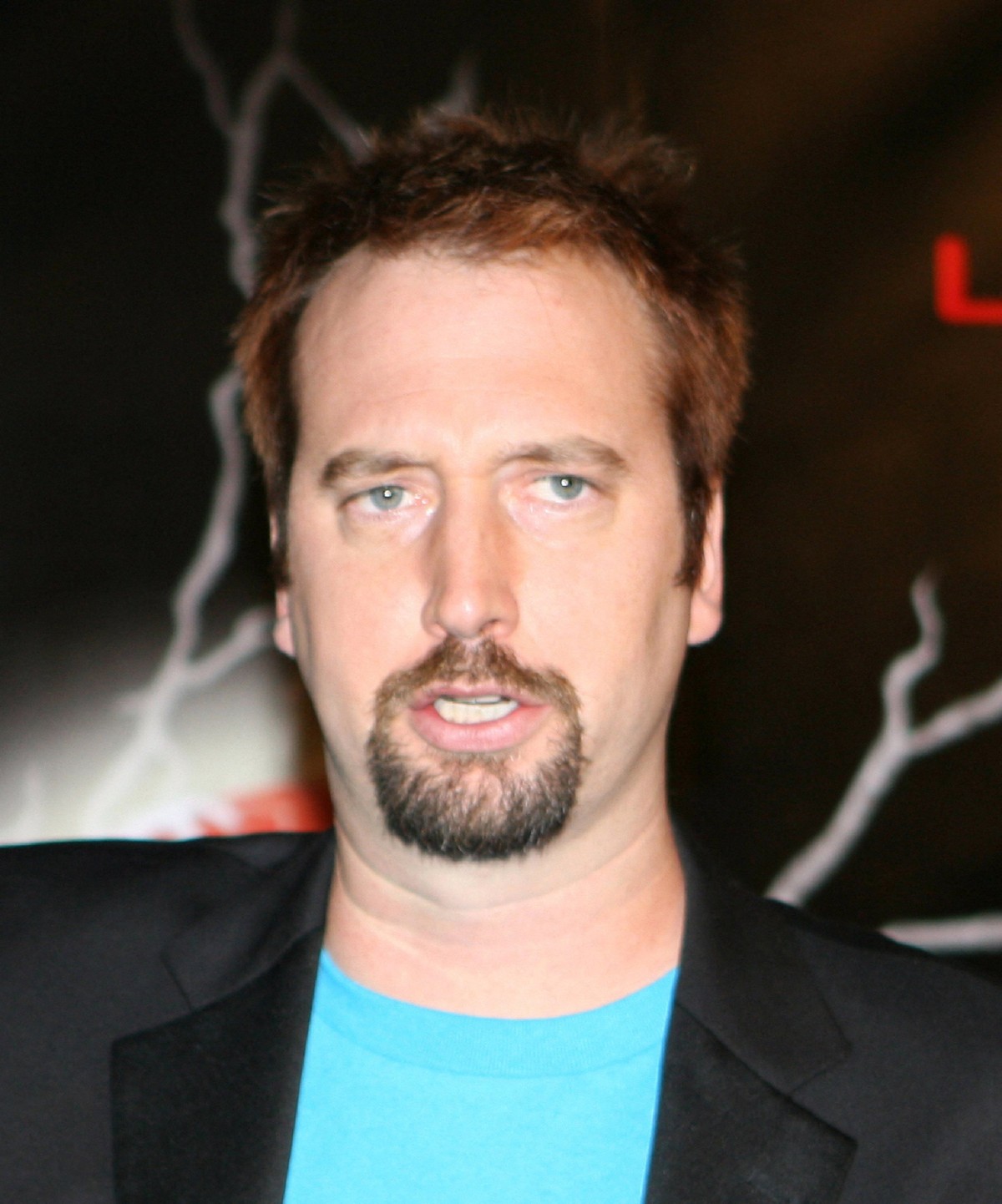
Tom Green took shock and absurdist comedy to new heights with The Tom Green Show, blending pranks and unpredictable antics that heavily influenced youth humor. After exploring stand-up comedy and music as a young adult, Green went on to create and host the show, which first aired on Canadian television before moving to MTV, where it ran from 1994 to 2000. The ’90s were his playground, and mainstream audiences couldn’t look away.
Paula Poundstone
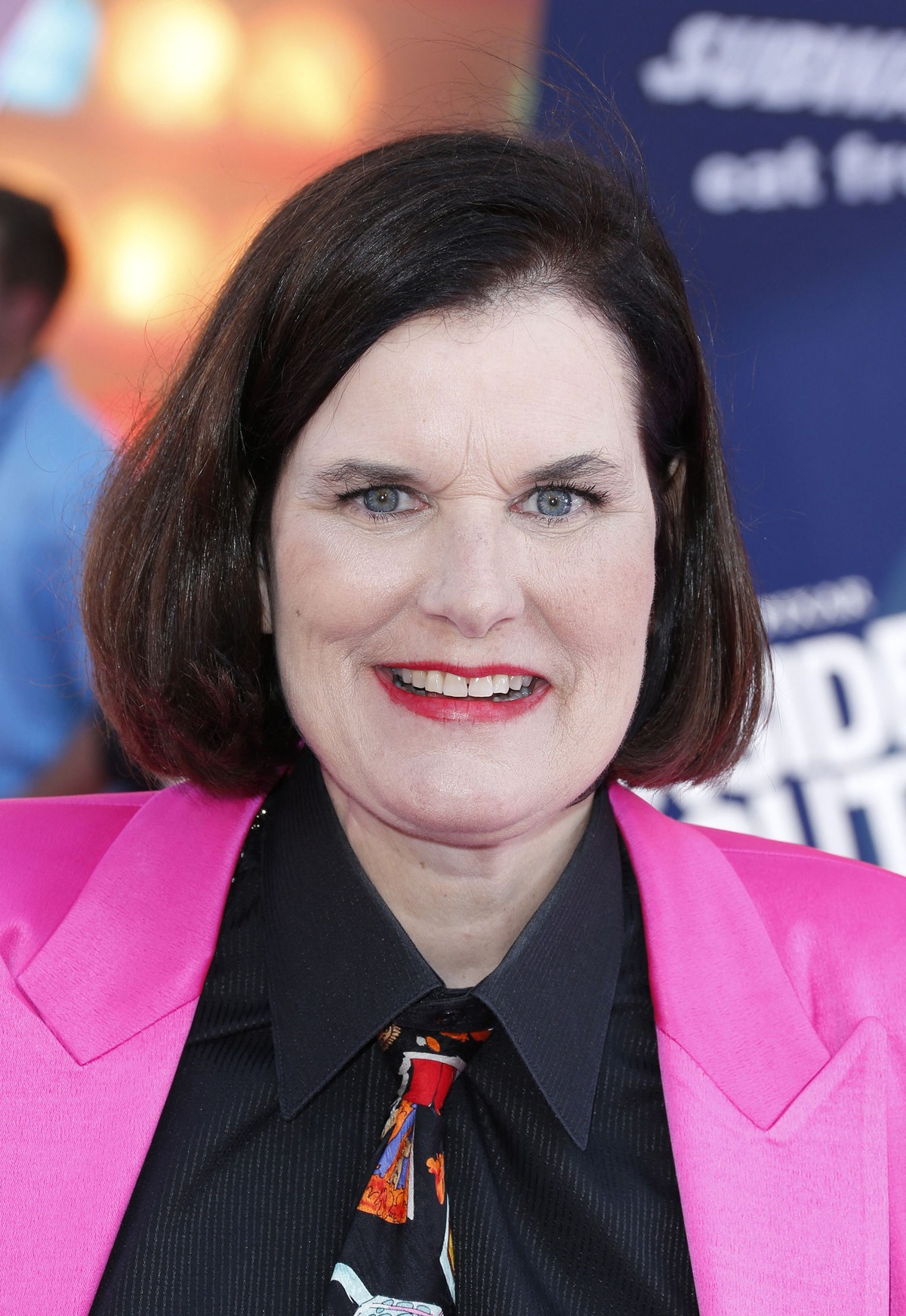
Paula Poundstone‘s sharp improvisational wit and observational style made her a mainstay on late-night talk shows and stand-up stages throughout the ’90s. She was notably the first woman to perform stand-up at the White House Correspondents’ Dinner, doing so in 1992, per Georgia Public Broadcasting. Her conversational style earned her a devoted, diverse following during the era.
Dane Cook
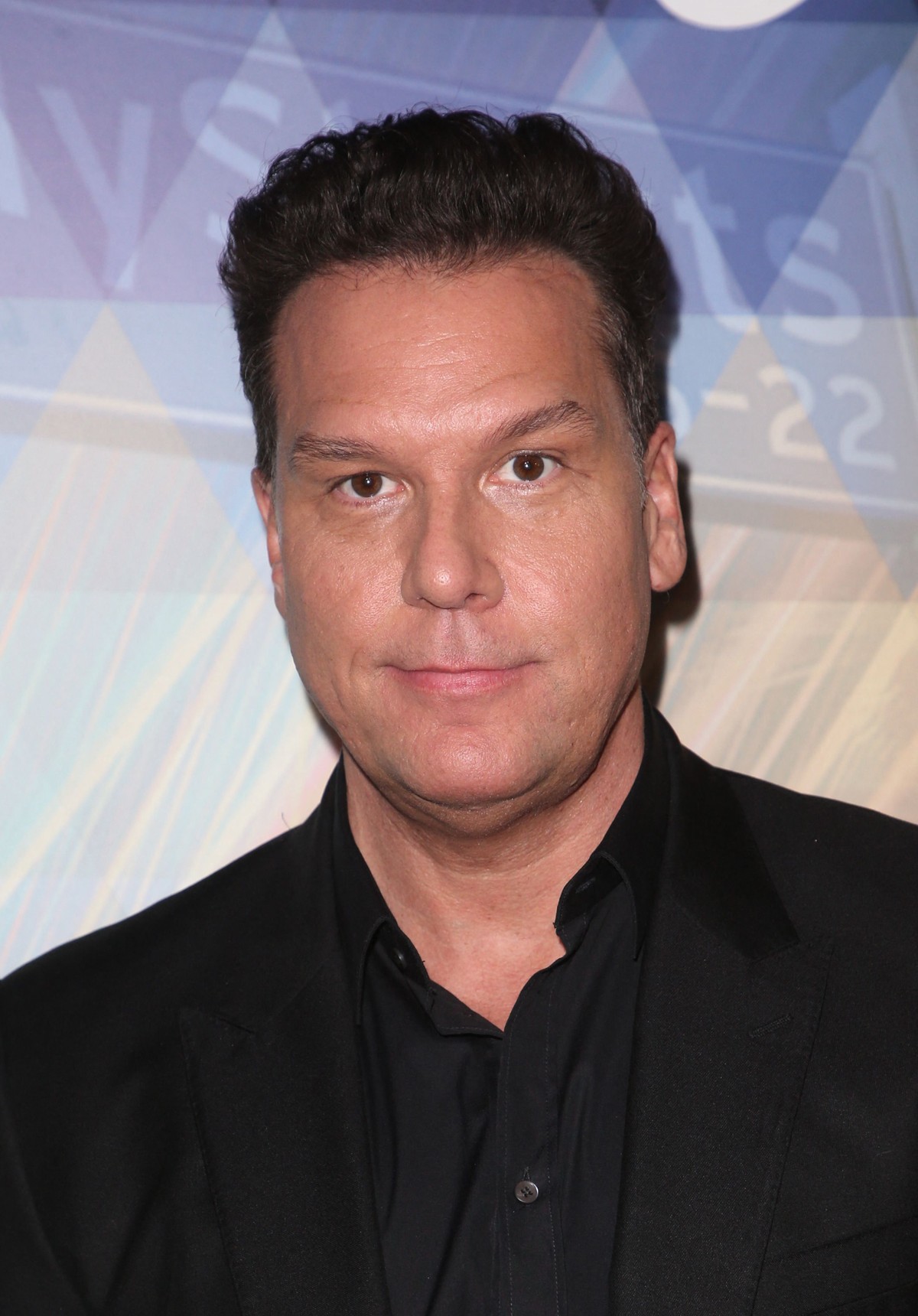
Dane Cook‘s magnetic stage presence and high-energy delivery made him one of the most popular stand-ups at the dawn of the internet era. In the ’90s, he honed his act on the comedy club circuit and steadily gained traction, laying the foundation for his explosive breakout. He was ahead of the curve in using the internet to connect with fans, building a massive following on MySpace in the early and mid-2000s. He also made his comedy available through file-sharing platforms, an unconventional move that helped him reach audiences in a way that was still relatively new at the time, as reported by Variety. Cook’s innovative use of the web to build a fanbase helped usher in a new era of comedy promotion.
Janeane Garofalo

Janeane Garofalo‘s dry, sardonic style and “outsider” persona stood out in the alt-comedy movement of the 90s. After The Ben Stiller Show was canceled, Garofalo joined the cast of Saturday Night Live for its 1994–95 season. She also went on to star in a collection of classic ’90’s movies, from The Truth About Cats and Dogs to Wet Hot American Summer. Her raw honesty and self-aware humor made her a favorite among comedy connoisseurs.
Brett Butler
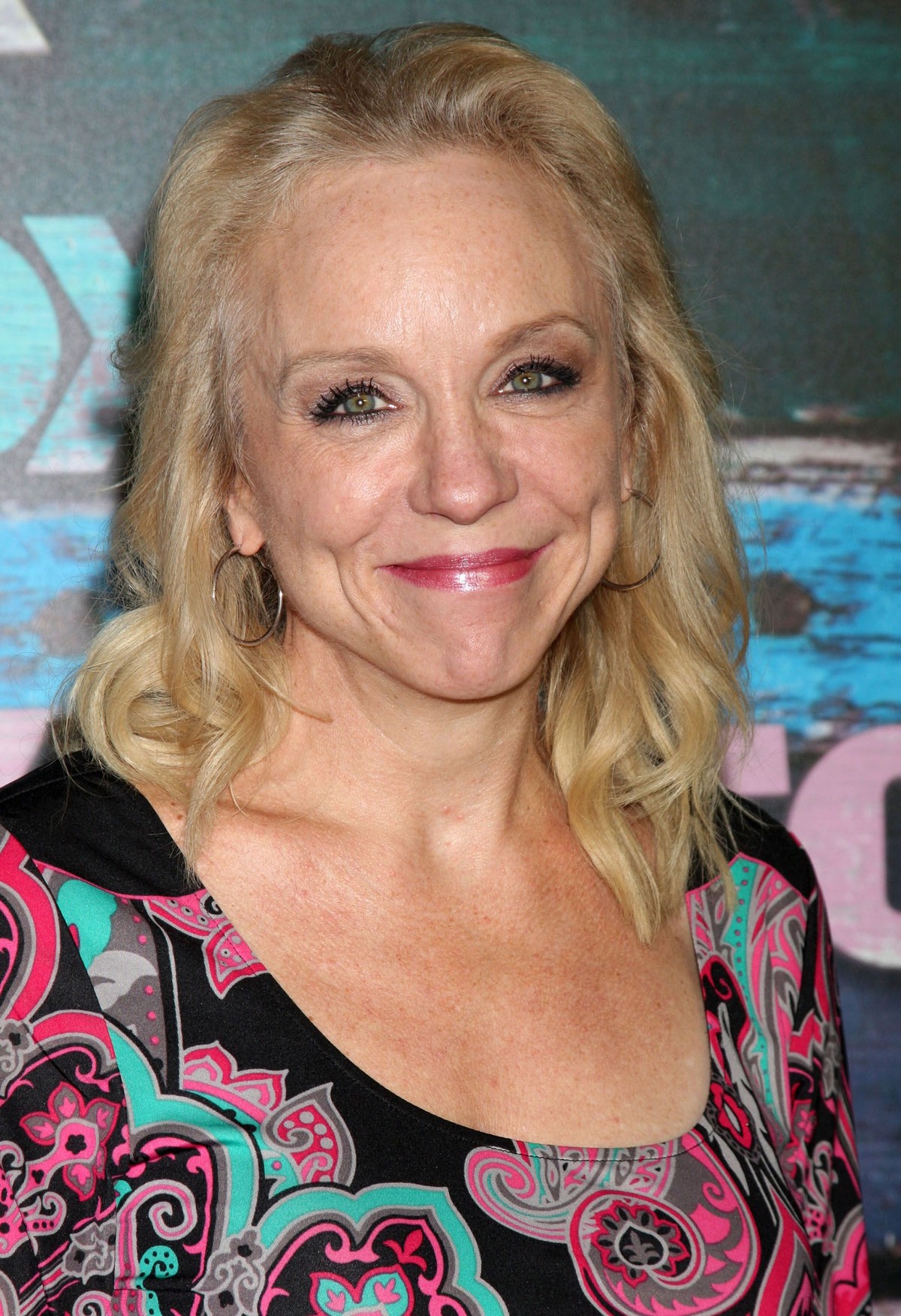
Brett Butler broke barriers as one of the few women to headline her own network sitcom, Grace Under Fire. The ABC sitcom, created by Chuck Lorre and starring comedian Butler in the lead role, aired from 1993 to 1998 and ran for five seasons.
Daniel Tosh
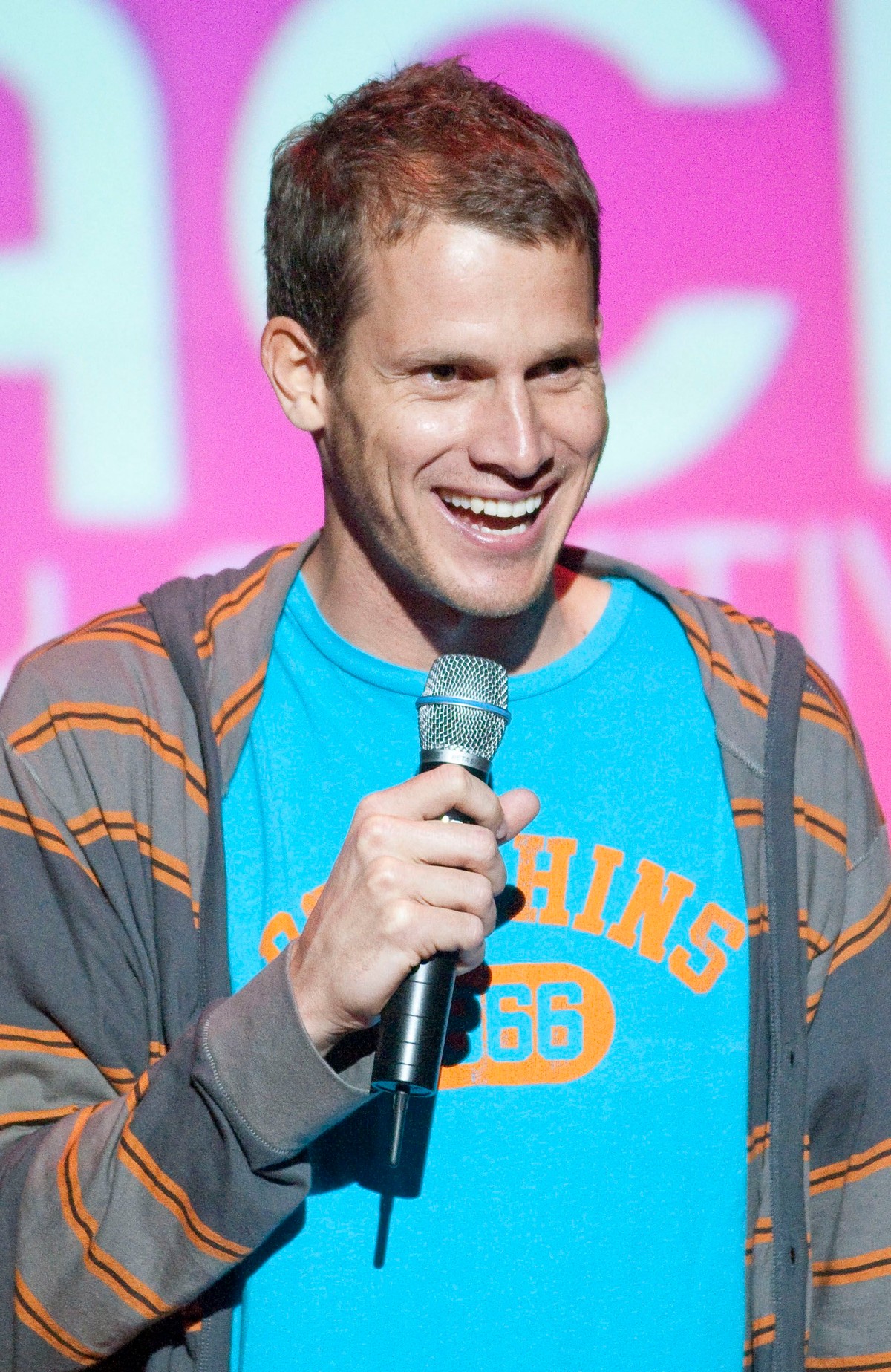
Daniel Tosh began making his mark on the comedy circuit in the mid-1990s, developing a style known for its sharp observations, edgy material, and rapid-fire punchlines. He quickly became known for pushing boundaries, a quality that would become a defining part of his stand-up career. His career gained momentum in 2001 after appearing on The Late Show with David Letterman, which helped pave the way for his own half-hour special on Comedy Central Presents.